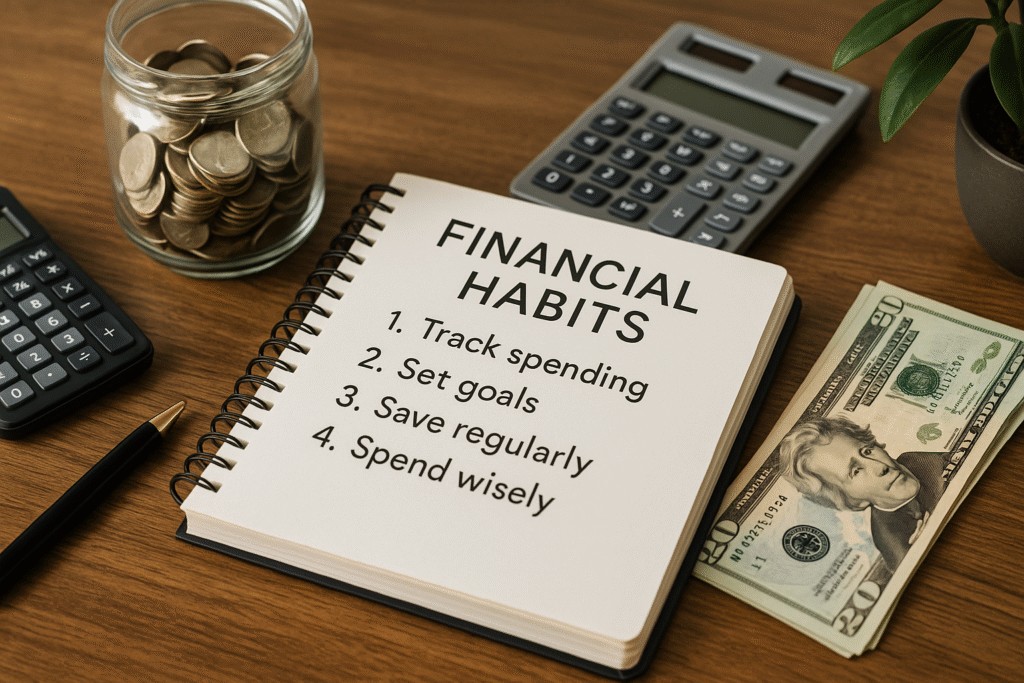
Impulsive spending is one of the most common financial challenges people face, especially in a world full of instant purchases, online ads, and one-click checkouts. While an occasional spontaneous purchase isn’t harmful, frequent impulse buying can slowly drain your budget, increase debt, and prevent you from reaching important financial goals.
The good news is that controlling impulsive spending is a skill — and like any skill, it can be learned. With awareness, planning, and a few practical strategies, you can take full control of your spending habits and create space for more savings, stability, and peace of mind.
Below is a complete beginner-friendly guide to understanding and reducing impulsive spending while building a healthier financial routine.
Why We Make Impulsive Purchases
Before learning how to stop impulsive spending, it’s helpful to understand why it happens.
1. Emotional Triggers
Many impulse purchases stem from emotions such as:
- Stress
- Boredom
- Happiness
- Loneliness
- Anxiety
Shopping becomes a temporary source of relief or excitement.
2. Marketing & Digital Influence
Online stores use tactics like:
- Flash sales
- Countdown timers
- Limited-stock alerts
- Free shipping thresholds
These push you to buy quickly without thinking.
3. Instant Gratification
Buying something new feels good — at least temporarily. The brain releases dopamine, which can reinforce the habit.
4. Lack of Planning
When there’s no budget and no spending plan, purchases happen randomly and emotionally.
Signs You May Be Overspending Impulsively
You may be struggling with impulse spending if you frequently:
- Buy things you didn’t plan for
- Regret purchases soon after making them
- Struggle to track where your money goes
- Feel defensive or stressed when discussing spending
- Have unopened or unused items at home
- Run out of money before the end of the month
Recognizing the signs is the first step toward change.
Practical Strategies to Control Impulse Spending
These simple but powerful habits help you regain control and save more money without feeling restricted.
Use the 24-Hour (or 30-Day) Rule
Before buying anything non-essential, wait:
- 24 hours for small purchases
- 30 days for larger purchases
This pause gives your logical mind time to catch up with your emotional reaction.
You’ll be surprised how many “needs” magically disappear after waiting.
Create and Use a Shopping List
Lists are incredibly effective for avoiding temptation.
Tips:
- Make a list for groceries, household items, and personal items
- Stick strictly to the list
- Avoid browsing “just to look around”
If an item isn’t on the list, it doesn’t go in the cart.
Unsubscribe From Marketing Emails
Shopping emails trigger desire and urgency.
Take these steps:
- Unsubscribe from store newsletters
- Turn off social media shopping notifications
- Avoid following brands that frequently promote
Less exposure = fewer temptations.
Remove Saved Cards From Online Stores
Online shopping is dangerously easy when your card information is stored.
By removing saved cards:
- Checkout becomes slower
- You gain time to reconsider
- Impulse purchases become less convenient
That small friction can save you real money.
Set a Monthly “Fun Budget”
Impulse control isn’t about eliminating joy. It’s about creating balance.
Decide:
- How much you can afford for spontaneous treats
- Set that money aside
- Enjoy it guilt-free
When the fun budget is gone, you stop spending.
Identify Your Emotional Triggers
Keep a journal or note when you feel the urge to buy impulsively.
Ask yourself:
- Was I stressed?
- Was I bored?
- Was I comparing myself to someone else?
- Was I seeking quick excitement?
Understanding the why makes it easier to change the how.
Avoid Shopping to Feel Better
Retail therapy provides temporary relief — but often long-term regret.
Instead of shopping, try:
- Taking a walk
- Drinking water
- Listening to music
- Writing down your thoughts
- Talking to a friend
- Practicing deep breathing
Your emotions deserve care, not clutter.
Use Cash for Discretionary Spending
When you use cash:
- You physically see money leaving
- You stop spending once cash is gone
- Overspending becomes harder
Cash increases awareness and limits impulsive purchases.
Track Your Spending Weekly
Tracking prevents financial surprises and keeps you grounded.
A weekly check-in can help you:
- Identify impulse buys
- Adjust your habits
- Realize when emotions influence spending
- Celebrate small wins
Awareness is your strongest tool for change.
How Controlling Impulse Spending Helps You Save More
When you reduce impulsive purchases, you:
- Free up money for savings
- Reduce stress around bills
- Build a healthier financial mindset
- Achieve your long-term goals faster
Even saving an extra $50–$100 per month can make a significant difference over a year.
Transform Your Relationship With Money
Controlling impulse spending is not about deprivation. It’s about empowerment.
By understanding your triggers, adding intentional pauses, and creating financial boundaries, you gain clarity and confidence in your decisions. Over time, these simple habits build a stronger, more resilient financial future — one where your money works for you, not the other way around.
You don’t need perfection. You just need progress, one decision at a time.