
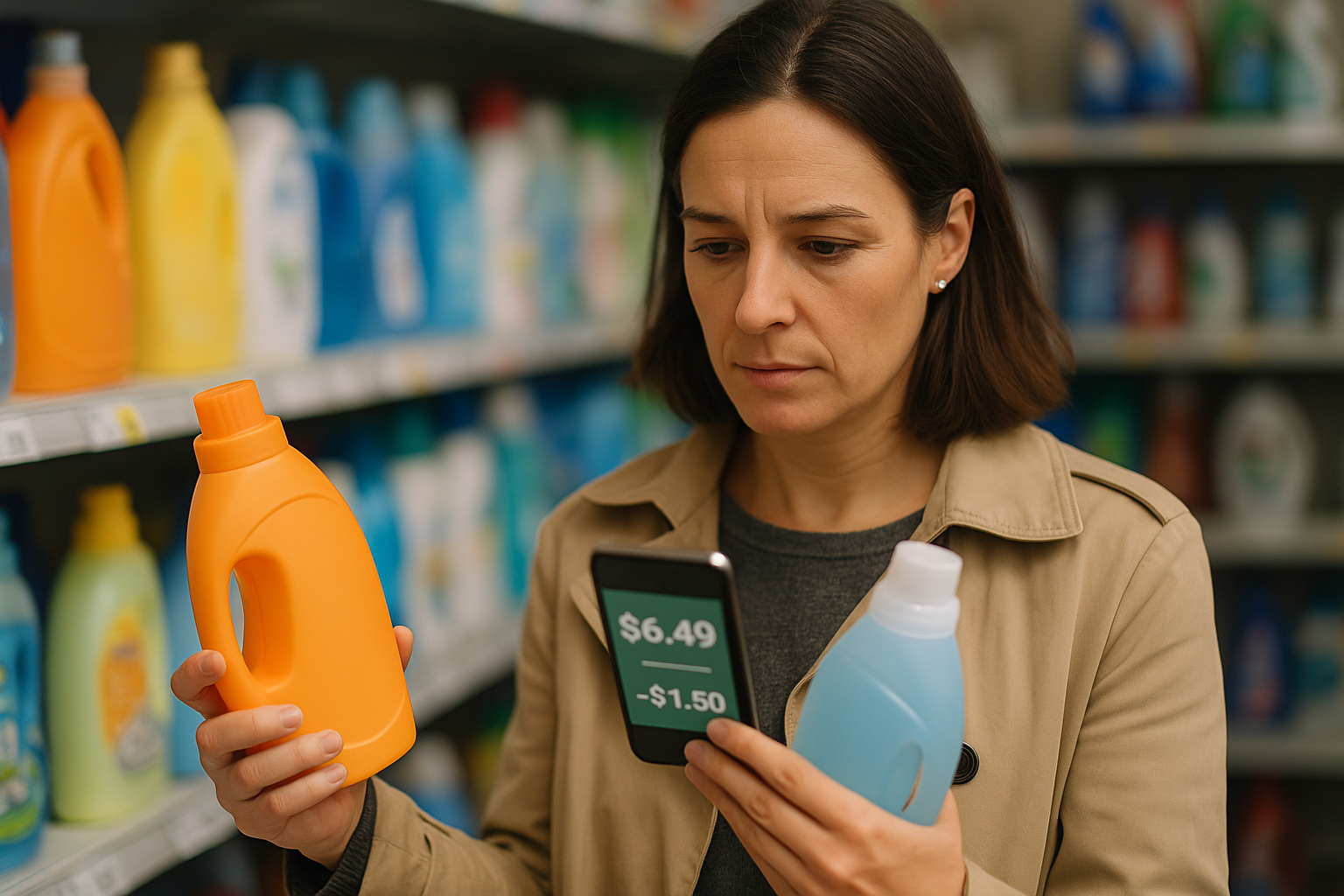
Comparing prices is one of the simplest and most effective ways to save money — yet many people skip this step and end up paying far more than necessary. With just a few minutes of research and smart strategies, you can drastically reduce your expenses, avoid overspending, and make better financial decisions.
This guide will teach you how to compare prices the right way and start spending less immediately.
Why Comparing Prices Saves So Much Money
Price comparison helps you:
- avoid impulse purchases
- identify unfair or inflated prices
- choose the best value — not just the cheapest option
- stretch your budget
- save money consistently
Small savings over time become significant financial wins.
Practical Strategies to Compare Prices and Save More
Below are powerful techniques anyone can use to spend less without sacrificing quality.
1. Always Check at Least 3 Different Sources
Never buy from the first place you see.
Compare prices from:
- online stores
- physical stores
- official websites
- marketplaces
- discount platforms
Even a quick comparison can save you 10–40%.
2. Use Price Comparison Websites and Apps
Many tools automatically compare prices for you.
You can check:
- electronics
- appliances
- clothing
- groceries
- travel tickets
These tools reveal the best deals instantly.
3. Don’t Forget to Check Reviews
The cheapest option is not always the best.
Reviews help you avoid low-quality products.
Pay attention to:
- product durability
- customer satisfaction
- delivery issues
- warranty experiences
Good value matters more than just low price.
4. Compare Price Per Unit (Not Just the Total Price)
This is essential for groceries and household items.
Example:
- Bottle A: $4 for 500ml
- Bottle B: $6 for 1L
Bottle B is the better deal.
Always check:
- price per gram
- price per liter
- price per unit
This avoids hidden overpricing.
5. Compare Total Cost — Not Just Sticker Price
Sometimes the final price includes more costs, such as:
- shipping
- taxes
- service fees
- warranties
- installation
- extra charges
A product that seems cheaper may end up costing more.
6. Use the “Wait 24 Hours” Rule for Non-Essentials
This helps you avoid impulse buying.
During this waiting period:
- compare more stores
- look for discounts
- decide if the purchase is truly needed
Slowing down saves you money.
7. Track Price History Before Buying
Some websites show price history over months.
This helps you know:
- if the price is truly a deal
- if the product is usually cheaper
- if the store increased the price before a “sale”
Don’t fall for fake discounts.
8. Compare Used vs. New Options
Buying used or refurbished can save a lot.
Great categories for used items:
- electronics
- tools
- furniture
- exercise equipment
Just make sure the item is in good condition and comes from a trusted source.
9. Ask for Price Matching
Many stores match or beat competitors’ prices.
Just show:
- the website
- a screenshot
- a current advertisement
This works more often than people realize.
10. Check Discounts, Coupons, and Cashback
Before buying, look for:
- promo codes
- seasonal discounts
- cashback websites
- loyalty points
- student or senior discounts
These savings add up quickly.
11. Compare Brands — Not Just Stores
Different brands offer varying:
- quality
- durability
- features
- warranty coverage
You might find a better product at a better price from a lesser-known brand.
12. Evaluate Longevity, Not Just Price
Sometimes spending a bit more means saving more long-term.
Choose:
- durable products
- better materials
- stronger warranties
Cheap items that break quickly cost more in the long run.
13. Keep a “Shopping Wish List”
Before buying anything, add it to a list.
This helps you:
- track price changes
- compare over time
- avoid impulse buying
A wish list turns emotional decisions into rational ones.
The Benefits of Comparing Prices
When you compare prices regularly, you:
- save money
- avoid regret
- make smarter purchases
- improve your financial discipline
- become a conscious consumer
- stretch your budget further
Price comparison is one of the easiest financial habits to build.
Compare Smart — Spend Less
You don’t need to be an expert to save money.
With a few minutes of research and conscious comparison, you can consistently get better deals and reduce unnecessary spending.
Start today by comparing your next purchase — even a small one.
Small habits create powerful financial results.





Leave a Reply