Foreclosure auctions move fast. Properties can be sold in minutes. Bids are final. And in that high-pressure environment, even experienced investors have made mistakes that cost them dearly.
Some of these stories are hard to believe. All of them are real. And every single one of them has a lesson worth learning — especially if you’re a beginner thinking about attending your first auction.
Mistake #1: Bidding on the Wrong Property
This is more common than you’d think — and it’s one of the most painful mistakes a buyer can make.
At courthouse auctions, multiple properties are often auctioned off in rapid succession. The auctioneer reads out a parcel number, a brief address, and bidding begins. If you haven’t done your research carefully — or if you mix up two similar addresses — you can end up winning a property you never intended to buy.
In one well-documented case, a bidder in the Midwest won a property at auction believing it was a three-bedroom house he had driven past and liked the look of. He paid over $40,000. It was only after the auction that he discovered he had bid on the vacant lot next door — not the house. The lot was worth a fraction of what he paid.
The lesson: Know the parcel number, not just the address. Verify it three times before you bid.
Mistake #2: Buying a House Someone Still Lives In
Winning a foreclosure auction doesn’t mean you walk in and change the locks the next day. In many cases, the previous owner — or a tenant — is still living in the property. And removing them is a legal process that takes time, money, and patience.
One buyer in Florida purchased a foreclosed home at auction, thrilled with the price. What he didn’t anticipate was that the former owner refused to leave and claimed the foreclosure had been conducted improperly. The legal battle that followed lasted over a year and cost the new owner thousands in attorney fees — nearly wiping out the discount he had celebrated at the auction.
In some states, buyers are required to go through a formal eviction process even if the occupant has no legal right to remain. It’s a slow, expensive, and emotionally draining experience.
The lesson: Always find out whether a property is occupied before you bid. Factor potential eviction costs into your budget.
Mistake #3: Ignoring Hidden Liens
A lien is a legal claim against a property — usually tied to an unpaid debt. And here’s the part that surprises most beginners: when you buy a property at auction, some of those liens can transfer to you.
One investor in Texas bought a foreclosed commercial property at what seemed like a bargain price. Months later, he received a notice that the property had over $80,000 in unpaid city code violation fines attached to it — fines that were now his responsibility as the new owner.
He hadn’t checked the title before bidding. The fines had been accumulating for years. The “bargain” turned into a financial nightmare.
The lesson: Always run a title search before bidding. Look for tax liens, municipal fines, HOA debts, and any other claims attached to the property.
Mistake #4: Overbidding in the Heat of the Moment
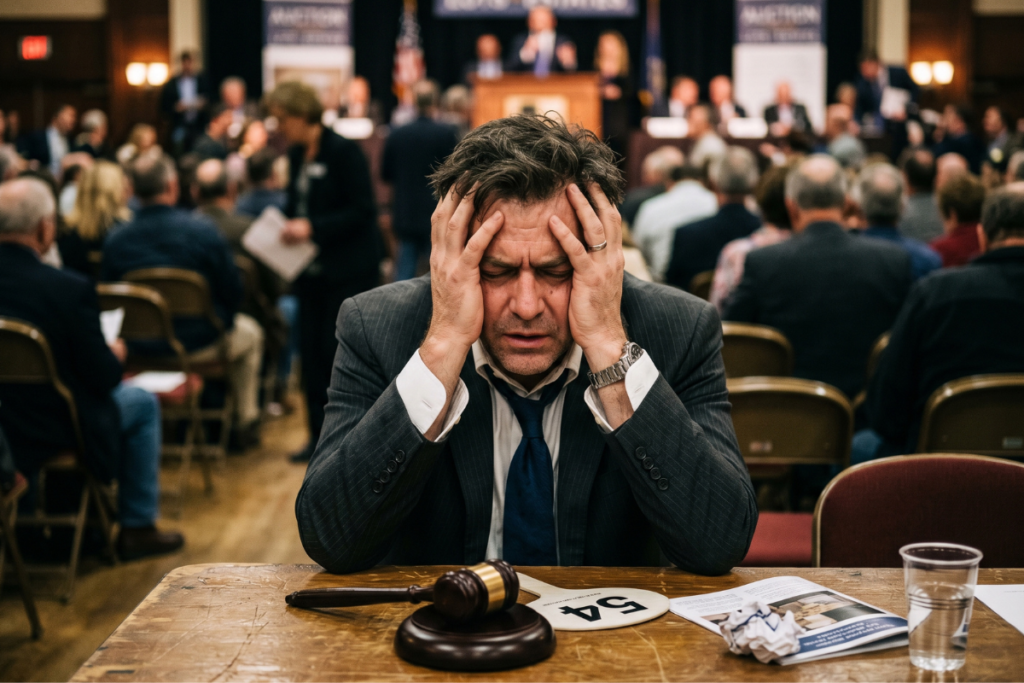
Auction psychology is real. When you’re in a room — or on a screen — competing with other bidders, the competitive instinct kicks in. Winning feels important. And before you know it, you’ve bid far more than the property is actually worth.
This phenomenon even has a name: auction fever.
A couple in California attended a foreclosure auction intending to spend no more than $200,000 on a property. The bidding was intense. They kept raising their paddle. They won — at $287,000. When they later had the property appraised, it came in at $195,000.
They had paid nearly $100,000 over market value in the excitement of the moment.
The lesson: Set a firm maximum bid before the auction starts — and stick to it no matter what. Write it down. Don’t negotiate with yourself in the room.
Mistake #5: Skipping the Property Research Entirely
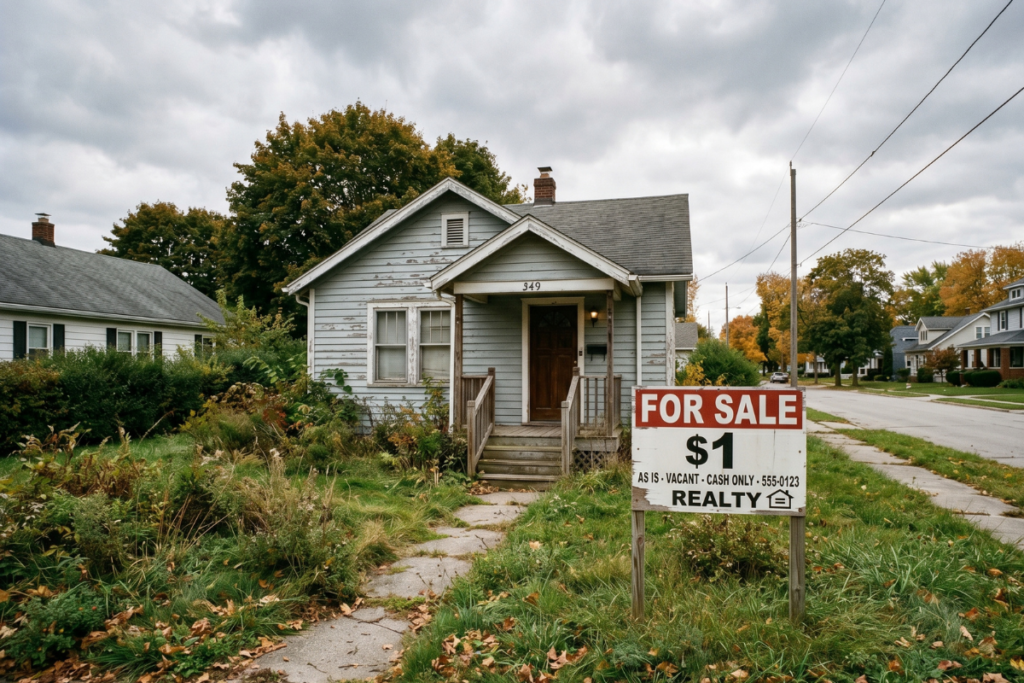
It sounds unbelievable, but some buyers bid on properties they have never seen, in neighborhoods they know nothing about, based solely on a listing price that seemed attractive.
One investor bought a foreclosed home online without visiting the property or the area. When he finally drove out to see his new purchase, he found a house that had been stripped of all its copper plumbing and electrical wiring — a common problem with long-vacant properties. Every appliance was gone. There was significant water damage from a leaking roof. The cost to make the property livable exceeded what he had paid for it at auction.
The lesson: If you can’t visit the property in person, at minimum use Google Street View, check county records, and research the neighborhood thoroughly. A low price is not a substitute for due diligence.
The Common Thread
Every one of these mistakes shares the same root cause: moving too fast without enough information.
Foreclosure auctions reward the prepared buyer. The investor who has done their homework — who knows the property, the neighborhood, the title history, and their own budget ceiling — has a massive advantage over the person who shows up excited and underprepared.
The good news? Every mistake on this list is completely avoidable. And now that you know about them, you’re already ahead of a lot of first-time bidders.
Quick Recap
- Bidding on the wrong property is easier to do than you think — always verify the parcel number
- Occupied properties come with eviction risks and costs
- Hidden liens can turn a bargain into a financial disaster
- Auction fever is real — set a firm budget before you walk in
- Never skip property research, no matter how good the price looks
Ready to learn the right way to research a property before bidding? Check out our guide: [How Foreclosure Auctions Work →]
Stay curious. Stay smart. That’s the Finanovice way.
Disclaimer: This article is for educational purposes only and does not constitute financial or legal advice. Always consult a qualified professional before making any real estate investment decisions.