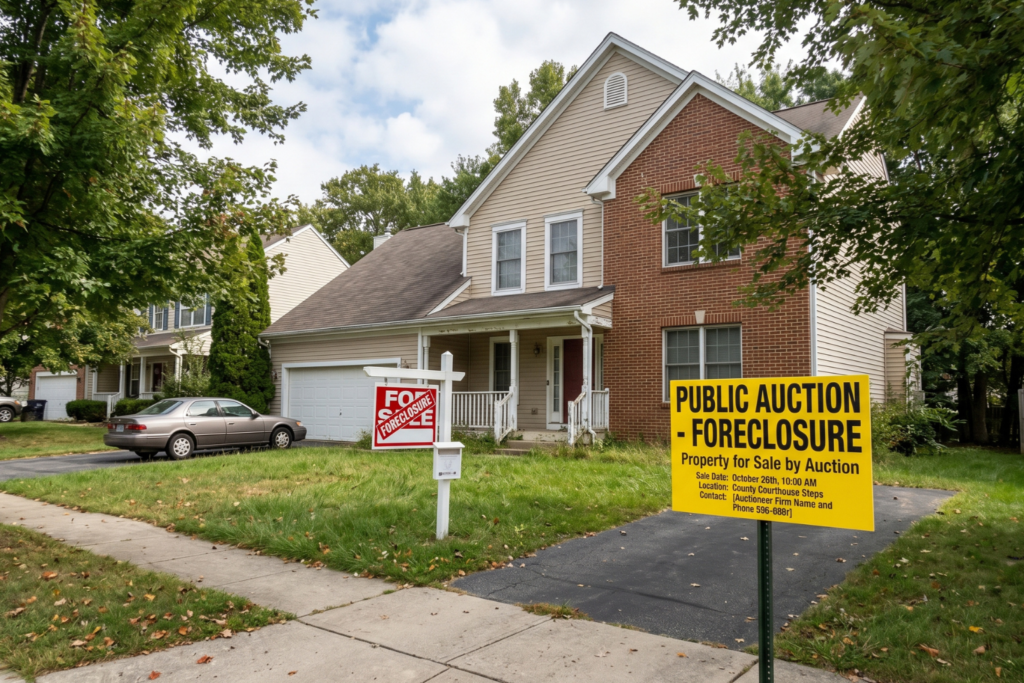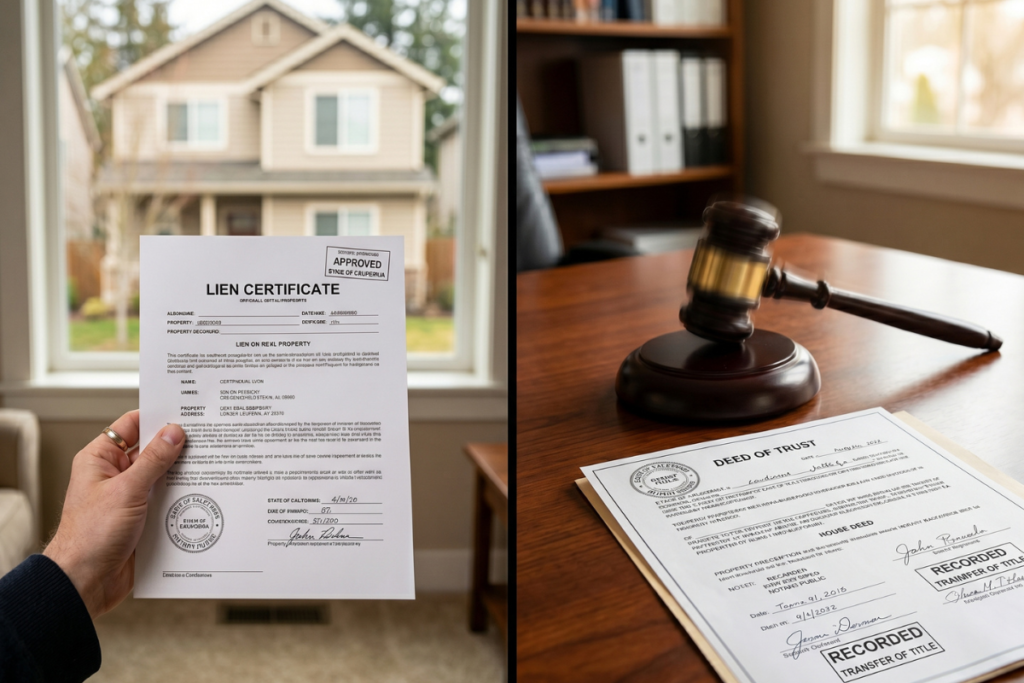
You’ve read about foreclosure auctions. You understand how they work. Now comes the practical question: where do you actually find them?
This is one of the most common questions beginners ask — and the answer is more accessible than most people expect. Foreclosure auctions are public events, and the listings are available to anyone who knows where to look.
In this guide, we’ll walk you through the best ways to find foreclosure auctions both online and in your local area.
Why Knowing Where to Look Matters
Not all foreclosure auctions are advertised in the same place. Depending on the type of auction — courthouse foreclosure, bank-owned property sale, tax deed auction — the listing may appear in very different locations.
A beginner who only checks one source will miss the majority of available properties. The investor who knows all the channels has a significant advantage before the auction even starts.
Option 1: Online Auction Platforms
The internet has transformed the foreclosure auction market. Today, many properties are auctioned entirely online, which means you can browse listings, research properties, and even bid — all without leaving your home.
Here are the most important platforms to know:
Auction.com
This is the largest online foreclosure auction platform in the United States. It lists thousands of properties at any given time, from bank-owned homes to court-ordered sales. You can filter by state, county, property type, and price range. Registration is free, and the platform provides detailed property information including photos, documents, and auction dates.
Hubzu
Hubzu specializes in bank-owned (REO) properties and foreclosure auctions. It’s used by many major lenders to sell distressed assets and offers a transparent online bidding process with clear timelines.
RealtyBid
Another solid platform for online foreclosure auctions, RealtyBid lists properties from lenders and asset managers across the country. It’s particularly strong in certain Southeastern states.
Xome
Xome combines traditional real estate listings with auction properties, making it a useful platform for buyers who want to compare foreclosure opportunities with standard market listings.
Williams & Williams
One of the oldest names in the auction business, Williams & Williams handles both online and live auctions for a wide range of property types, including foreclosures and bank-owned homes.
Option 2: Your County’s Official Website
Every foreclosure in the United States goes through a legal process that requires public notice. That notice is filed with the county — and in most cases, it’s available online through the county clerk’s or recorder’s office website.
Here’s how to find it:
- Search for your county name followed by “foreclosure notices” or “notice of trustee sale” or “sheriff sale listings”
- Look for a section on the county website related to public notices, legal notices, or property auctions
- Most counties publish these notices weekly or monthly
This approach takes a little more digging than using a platform like Auction.com, but it gives you access to listings before they appear on commercial sites — which means less competition.
Option 3: Local Newspapers
By law, foreclosure auctions must be publicly announced. In many counties, this legal requirement is fulfilled by publishing a Notice of Sale in a local newspaper — typically for several weeks before the auction date.
Check the legal notices section of your local newspaper, either in print or on the newspaper’s website. Many local papers have a searchable database of legal notices going back months.
This is an old-school method, but it still works — and the buyers who use it are often ahead of the crowd.
Option 4: The Courthouse
For traditional courthouse auctions, the most direct source of information is the courthouse itself. Most county courthouses post a schedule of upcoming foreclosure sales on a public bulletin board — physical or digital — usually outside the clerk’s office or the sheriff’s department.
You can also call the county clerk’s office directly and ask how to access the foreclosure sale schedule. Most clerks are accustomed to this question and will point you to the right resource.
If you’re serious about attending courthouse auctions, it’s worth making one trip to your local courthouse just to understand the process, meet the staff, and get on any notification lists they maintain.
Option 5: Real Estate Agents Who Specialize in Foreclosures
Not every real estate agent works with distressed properties — but those who do can be an invaluable resource. A specialized agent will often know about upcoming auctions before they’re widely listed, have relationships with lenders and asset managers, and be able to help you evaluate whether a specific property is worth bidding on.
Look for agents who advertise experience with REO (Real Estate Owned) properties, bank-owned homes, or distressed assets.
Option 6: Bank and Lender Websites
Major banks and lenders maintain their own listings of foreclosed properties. These are properties the bank has already taken back through foreclosure (called REO properties) and is now trying to sell — sometimes through auction, sometimes through traditional listing.
Some of the most useful bank REO portals include:
- Fannie Mae HomePath (fanniemae.com/homepath) — lists foreclosed properties owned by Fannie Mae
- Freddie Mac HomeSteps (homesteps.com) — similar to HomePath but for Freddie Mac properties
- HUD Home Store (hudhomestore.gov) — lists FHA-insured foreclosed homes
Option 7: Government and Municipal Auction Sites
Beyond traditional mortgage foreclosures, federal and local government agencies regularly auction properties they’ve acquired through tax delinquency, seizure, or other legal processes.
- Treasury.gov and GSA Auctions (gsaauctions.gov) — federal government property auctions
- IRS.gov — IRS-seized property auctions
- Your state’s Department of Revenue or Land Bank Authority — for tax deed and tax lien properties
How to Stay Organized
Once you start monitoring multiple sources, the volume of listings can become overwhelming. Here are a few practical tips:
Create alerts. Most online platforms allow you to set up email alerts for new listings that match your criteria — location, price range, property type.
Build a spreadsheet. Track properties you’re interested in, their auction dates, estimated values, and any research notes. A simple Google Sheet works perfectly.
Start local. If you’re a beginner, focus on your own county or region first. You’ll be able to visit properties more easily and you’ll build local market knowledge faster.
Be consistent. The best auction buyers check their sources regularly — not just when they’re actively looking to buy. The market moves fast, and good opportunities disappear quickly.
Quick Recap
- Online platforms like Auction.com, Hubzu, and RealtyBid list thousands of foreclosure properties
- County clerk websites publish legal notices of upcoming foreclosure sales
- Local newspapers carry legally required foreclosure announcements
- The courthouse is the most direct source for traditional auction schedules
- Banks and government agencies maintain their own REO and auction listings
- Set up alerts, stay organized, and start local as a beginner
Now that you know where to find auctions, make sure you know what to do when you get there: [How Foreclosure Auctions Work →]
Stay curious. Stay smart. That’s the Finanovice way.
Disclaimer: This article is for educational purposes only and does not constitute financial or legal advice. Always consult a qualified professional before making any real estate investment decisions.